
Explore
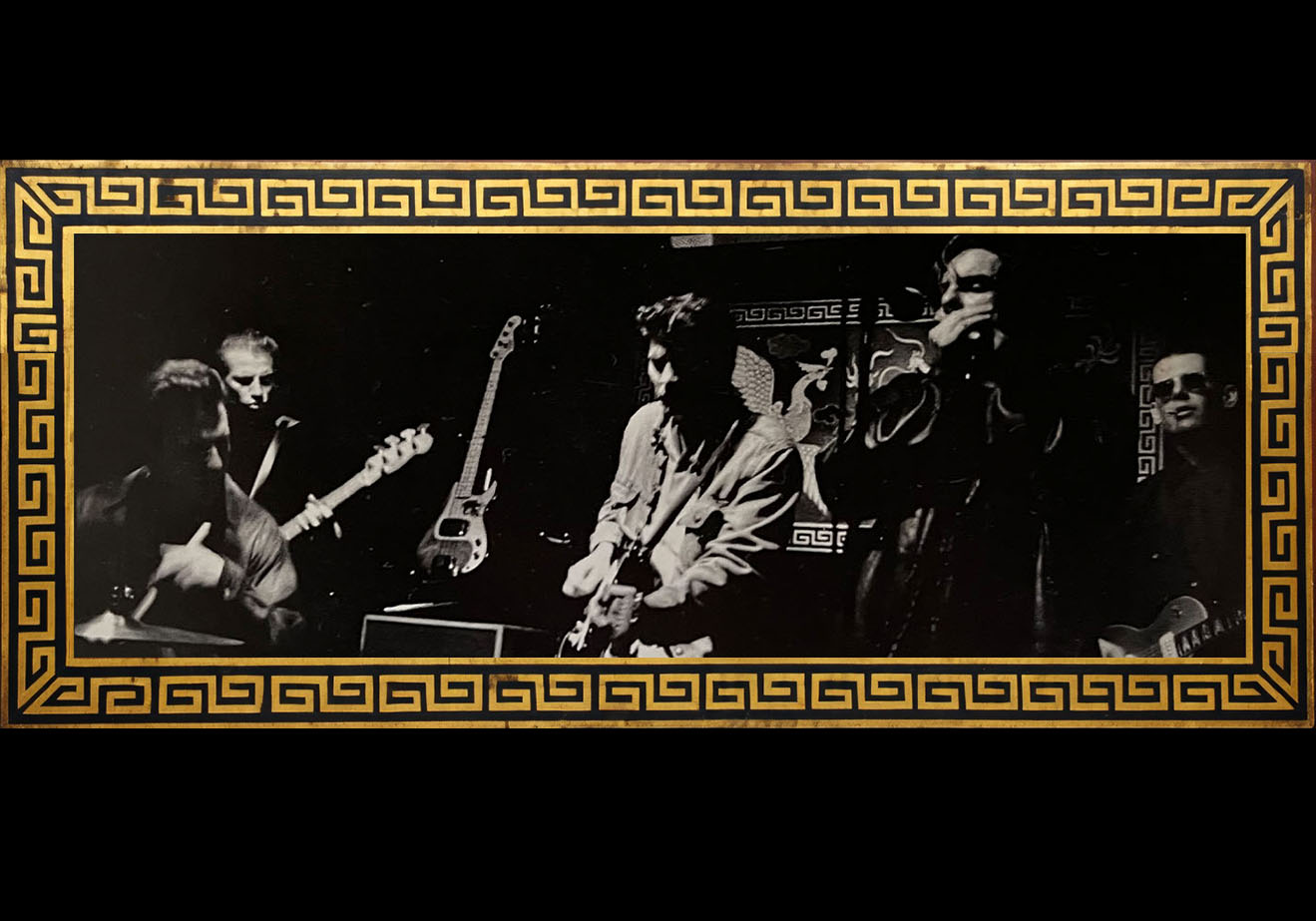
The Funky Worm returns with 30th anniversary set at Lucerne Fest
The Lucerne Blues Festival in Switzerland on Nov. 13 features a special 30th anniversary reunion of “The Return of The Funky Worm” with Johnny Moeller and Paul Size.
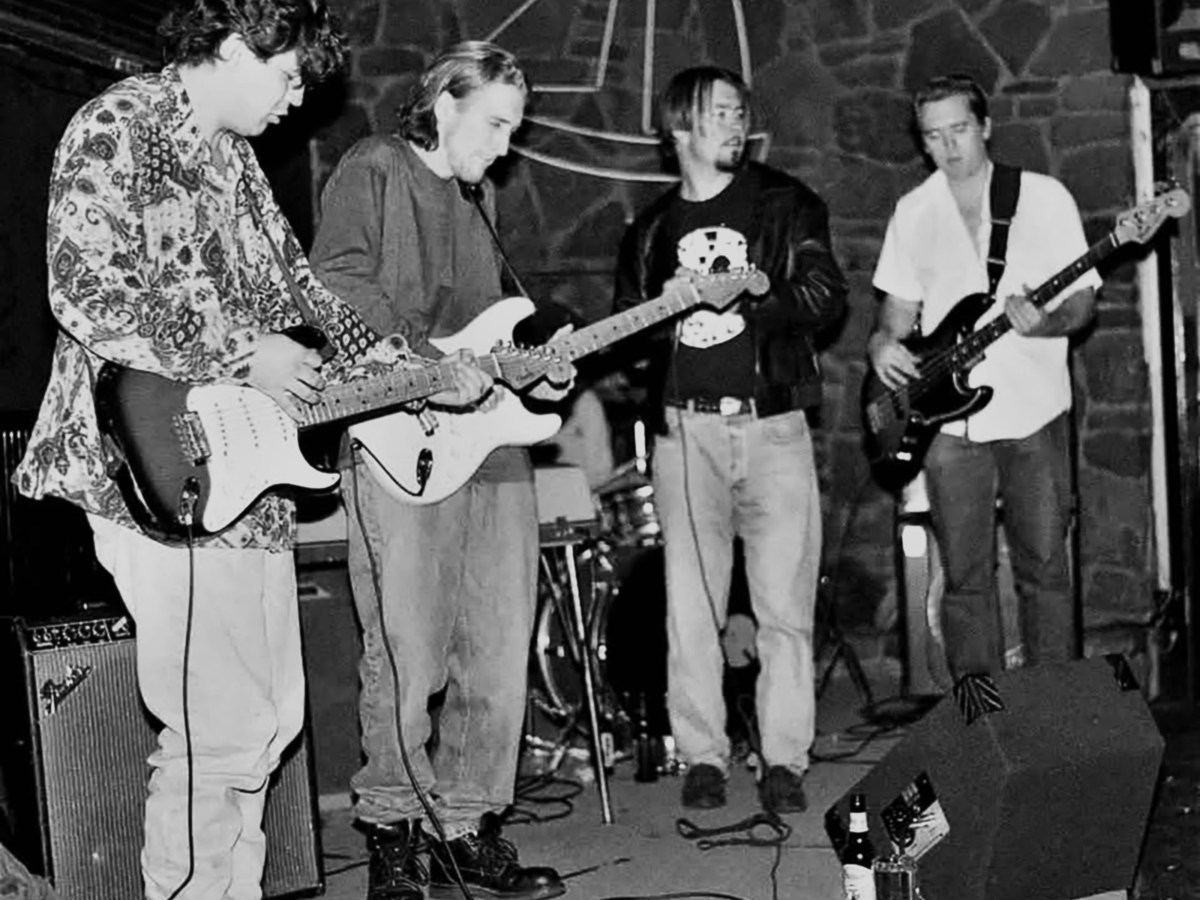
UK welcomed a fractured Red Devils in late 1993
Amid a period of massive change, The Red Devils toured the UK in December 1993, including a show in a former public toilet in Tunbridge Wells, Kent.
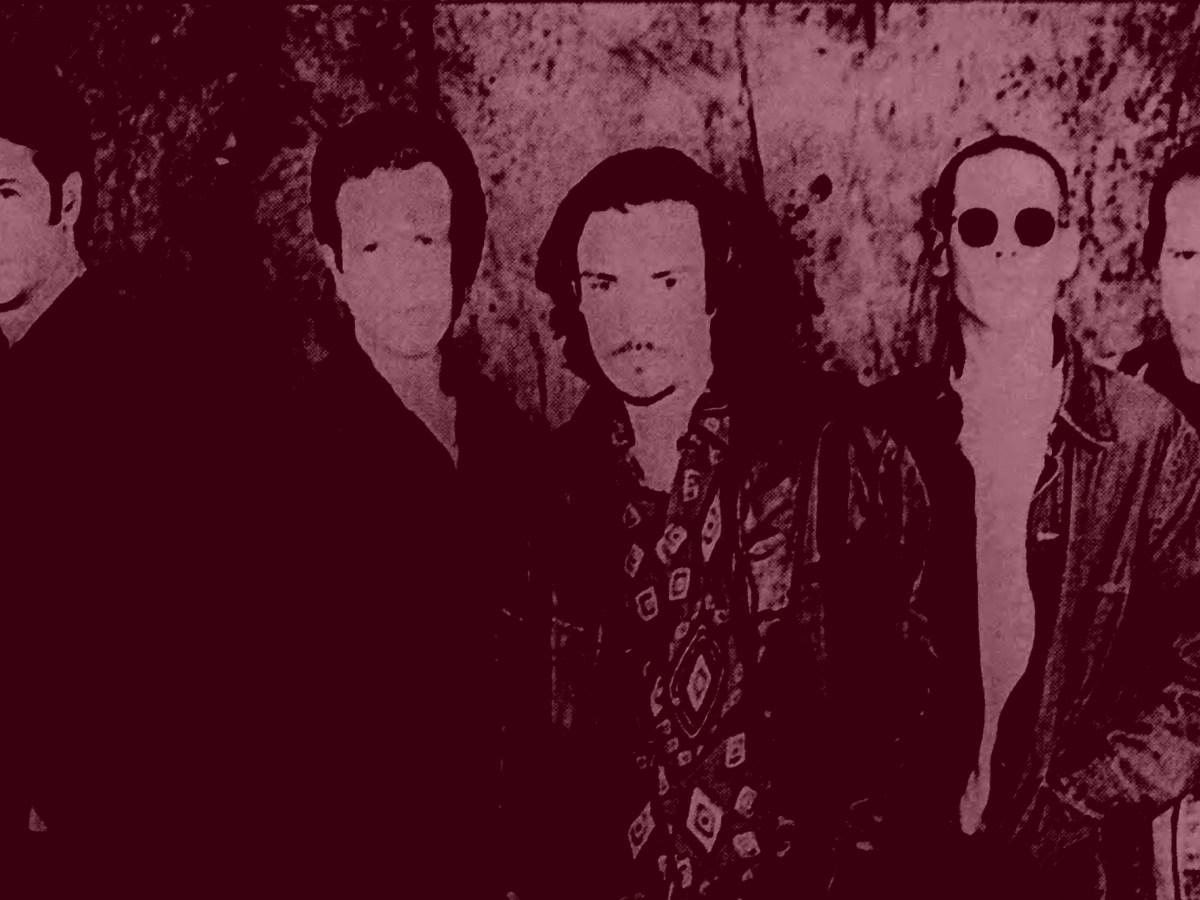
Playlist: King King Original / Outtakes
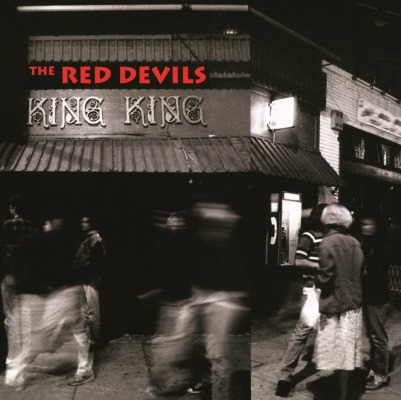
35 years ago, The Red Devils recorded dozens of songs for “King King.” This playlist celebrates the originals that didn’t make the final cut.

The making of ‘King King’
On July 29, 1991, The Red Devils began recording their debut album “King King,” now a modern blues classic. Here is how “King King” came to be, with untold stories and a rare album outtake.
Something went wrong. Please refresh the page and/or try again.


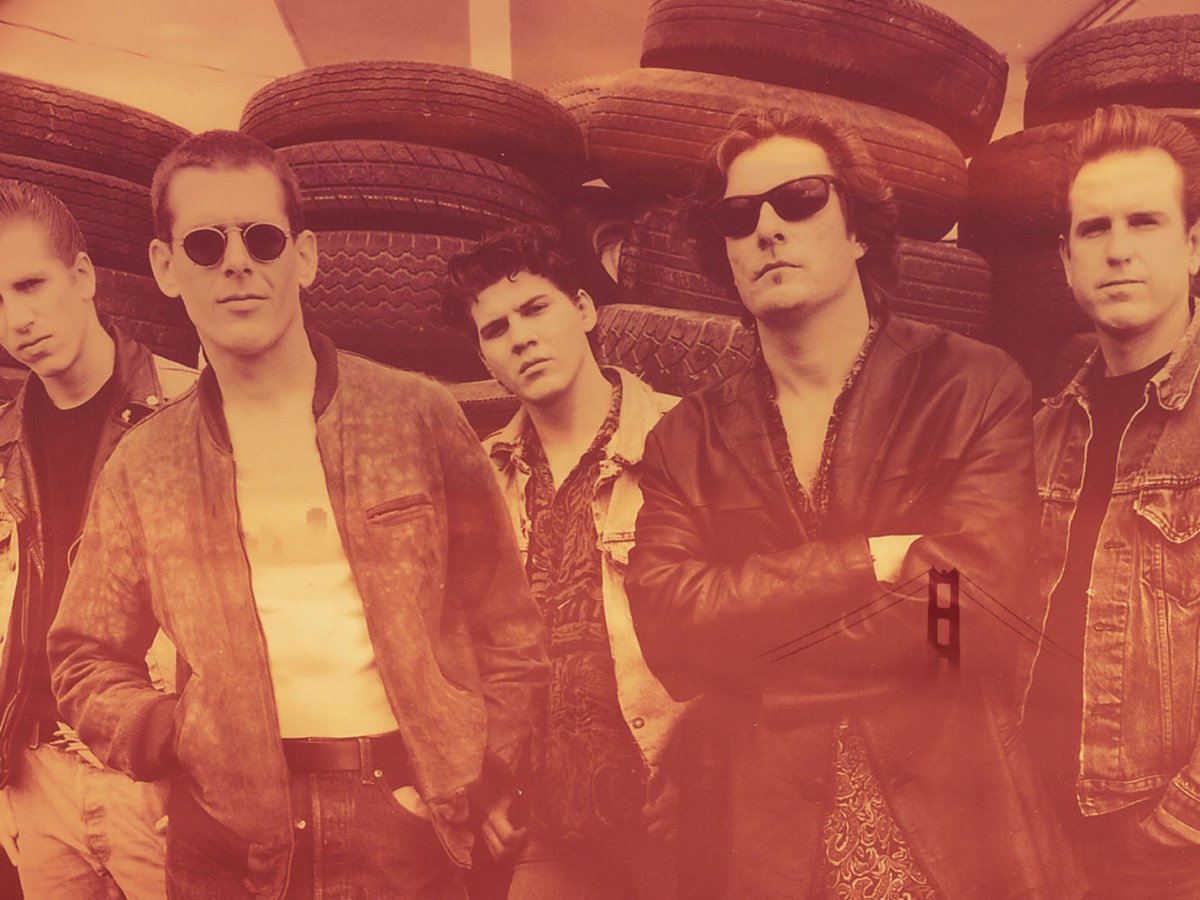
101: The Red Devils in San Francisco
SoCal might have been homebase for The Red Devils, but the band traveled up the Coast several times in the early ’90s for gigs in the San Francisco area.

In Europe, the end of the end at two 1994 festivals
By the summer of 1994, The Red Devils faced disbandment, performing at their final gigs. Block magazine was there for the end at two very different festival appearances.
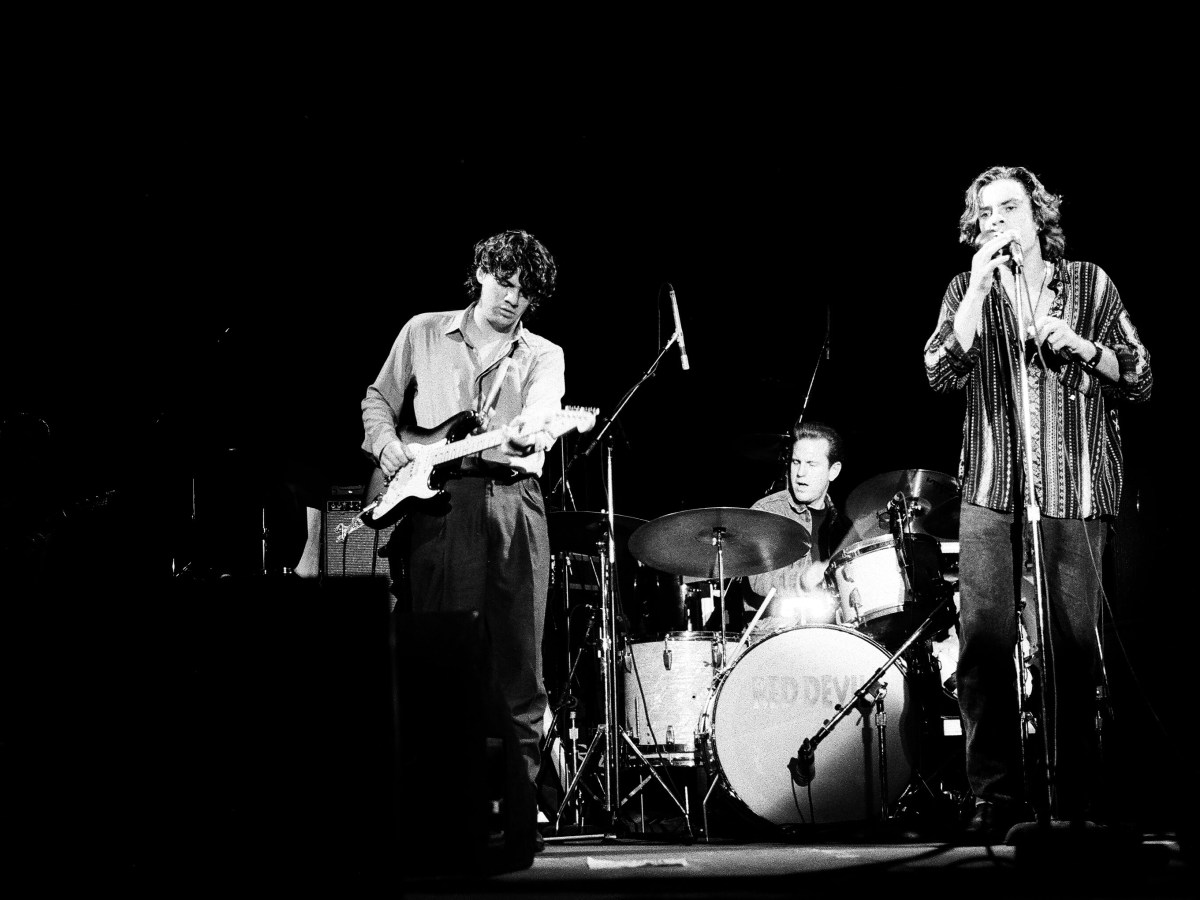
Why was Jonny Ray Bartel sitting during The Red Devils’ Allman Brothers tour? The story behind these pics
Newly discovered photos from The Red Devils’ Aug. 23, 1992, opening slot for the Allman Brothers in New Haven, Connecticut, capture the band early in its first U.S. tour.

‘Bloody amazing!’ YouTuber HarriBest reacts to Red Devils
The Red Devils have a new fan in YouTube creator HarriBest, who reacted to “Automatic” and made a special plea to Mick Jagger, too.
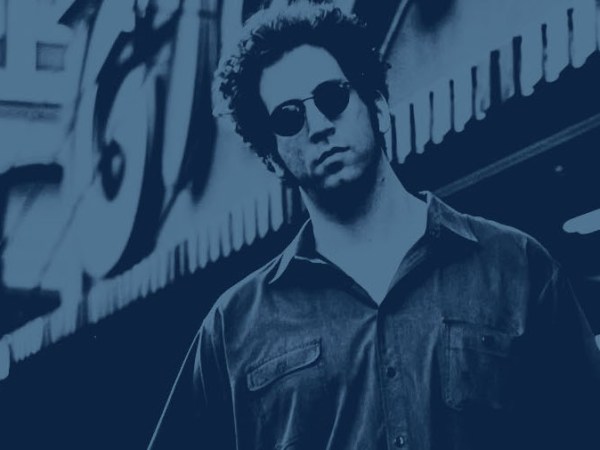
The essential sound of Andy Kaulkin in ’13’ album sessions
Before he found Grammy success with Tom Waits, Andy Kaulkin’s piano pulled together Lester Butler’s “13” project.
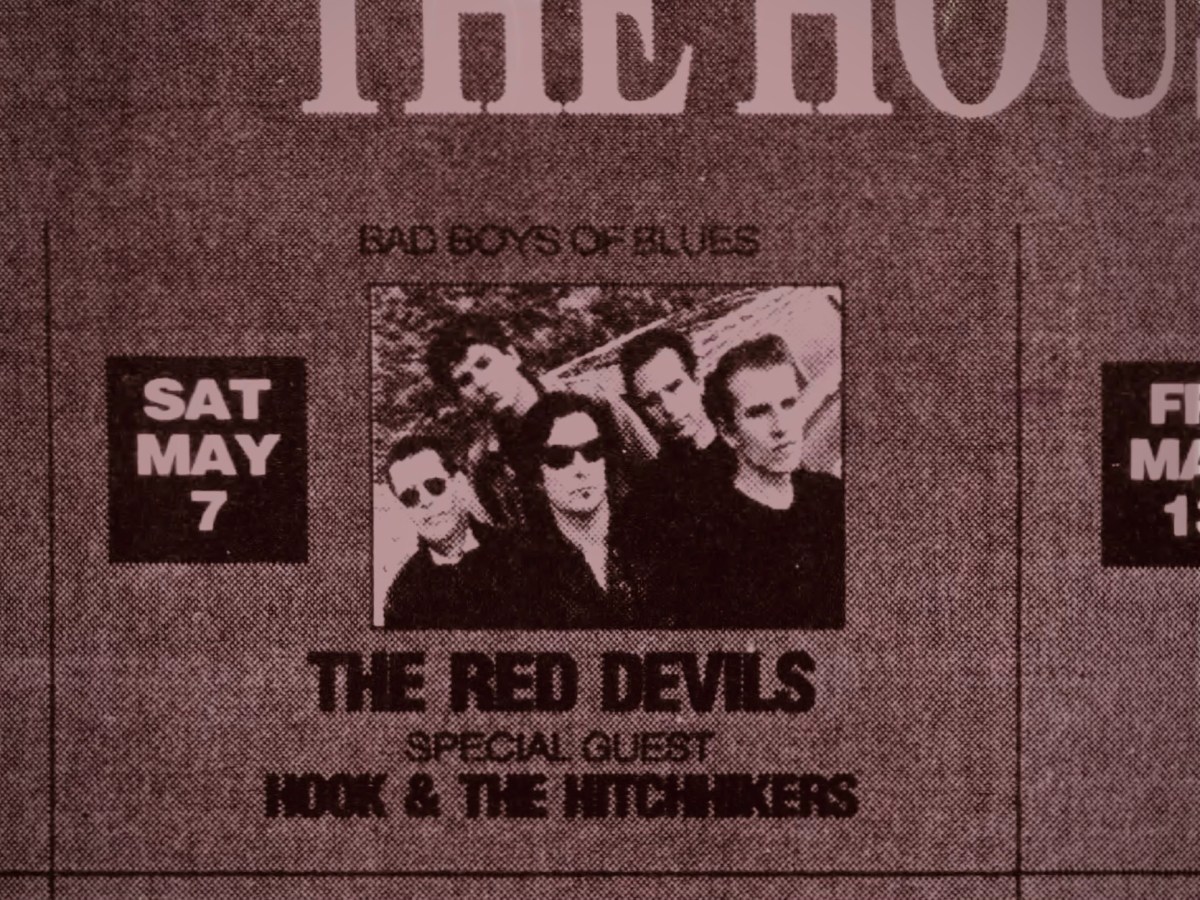
‘Bad Boys of the Blues’ run the House
The Red Devils were on the bill in the early days of the House of Blues in West Hollywood, opening for Aerosmith at a private event in 1994.
@no_fightin on Instagram
Tags
13 13 featuring lester butler 1992 1993 alex schultz automatic bill bateman billy gibbons blasters blues blue shadows bootleg bruce willis dave alvin dave lee bartel def american eddie clark harmonica hollywood james harman john bazz jonny ray bartel king king KingKingXXX lester butler live lyrics Mick Jagger mike flanigin mike hightower music netherlands nofightin.com paul size pinkpop red devils reunion tour 2017 review rick rubin smokey hormel the red devils tour video zach zunis zz top
About & contact
Since 2009, NoFightin.com has been the tribute/resource site for early-’90s California blues band The Red Devils and harmonica player Lester Butler. From rare music to exclusive interviews to news and details unavailable anywhere else, we keep the fire burning.
Support
Archives
- October 2026
- September 2026
- July 2026
- June 2026
- May 2026
- April 2026
- March 2026
- February 2026
- November 2025
- September 2025
- May 2025
- April 2025
- March 2025
- February 2025
- January 2025
- November 2024
- October 2024
- September 2024
- July 2024
- June 2024
- May 2024
- April 2024
- March 2024
- February 2024
- January 2024
- December 2023
- November 2023
- October 2023
- September 2023
- August 2023
- July 2023
- June 2023
- May 2023
- April 2023
- March 2023
- February 2023
- January 2023
- December 2022
- November 2022
- October 2022
- September 2022
- August 2022
- July 2022
- June 2022
- May 2022
- April 2022
- March 2022
- February 2022
- January 2022
- December 2021
- November 2021
- October 2021
- September 2021
- August 2021
- July 2021
- June 2021
- May 2021
- April 2021
- March 2021
- February 2021
- January 2021
- December 2020
- November 2020
- February 2020
- November 2018
- July 2018
- August 2017
- July 2017
- June 2017
- May 2017
- April 2017
- March 2017
- February 2017
- January 2017
- December 2016
- April 2016
- December 2015
- November 2015
- October 2015
- August 2015
- July 2015
- June 2015
- May 2015
- April 2015
- July 2014
- May 2014
- April 2014
- March 2014
- February 2014
- January 2014
- December 2013
- October 2013
- September 2013
- June 2013
- February 2013
- October 2012
- July 2012
- June 2012
- April 2012
- February 2012
- January 2012
- December 2011
- November 2011
- October 2011
- September 2011
- August 2011
- June 2011
- May 2011
- April 2011
- March 2011
- February 2011
- January 2011
- December 2010
- November 2010
- October 2010
- September 2010
- August 2010
- July 2010
- June 2010
- May 2010
- April 2010
- March 2010
- February 2010
- January 2010
- December 2009
- November 2009
- September 2009
- August 2009
- July 2009
- June 2009
- May 2009
- April 2009
- February 2009
- January 2009

